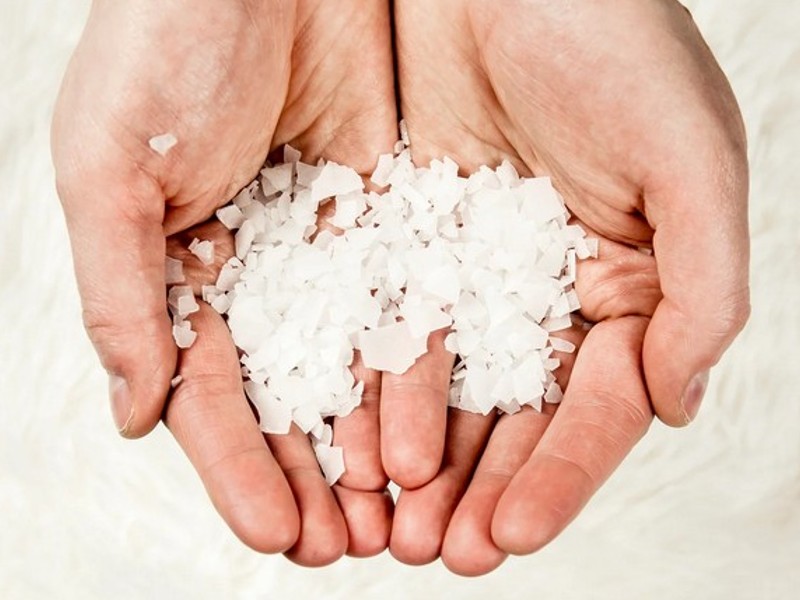
Let’s be real—magnesium chloride doesn’t exactly sound like the most thrilling health topic. It’s not kale in a smoothie or some exotic fruit with a name you can’t pronounce. But here’s the thing: behind that unassuming name is a surprisingly delightful mineral that quietly plays superhero inside the body.
Yes, magnesium chloride may lack glamour, but it makes up for it in sheer usefulness. It’s not just another supplement sitting on the back of the vitamin shelf—it’s the one your body might actually be whispering for without you knowing it.
Table of Contents
A Mineral With a Resume Longer Than Yours
Before anyone tunes out with flashbacks of high school chemistry class, let’s clear something up: magnesium chloride is not a lab-created Frankenstein compound. It’s a naturally occurring mineral that’s found in seawater, salt lakes, and, believe it or not, your own body. It’s a form of magnesium that’s particularly bioavailable, which basically means your body can absorb and use it without throwing a tantrum.
Magnesium Chloride reduces stress, anxiety, and depression and improves relaxation and sleep.
And here’s where it gets interesting. Magnesium—whether from your diet or a supplement—helps regulate over 300 enzymatic reactions in the human body. That includes things like nerve function, muscle contractions, blood pressure, and even the rhythm of your heart. That’s a pretty full schedule for one mineral.
Sleep Like a Baby (Without the Diapers)
Meet Emma. She’s 37, a full-time graphic designer and part-time overthinker. Between deadlines and doom-scrolling at night, sleep often feels like a myth. So when a friend casually mentioned rubbing magnesium oil on her feet, she scoffed. But after a few nights of trying it, Emma wasn’t just falling asleep faster—she wasn’t waking up at 3 a.m. to overanalyze that awkward email she sent.
Here’s why: magnesium chloride has a unique way of relaxing the nervous system. It acts like a chill-out button for your brain, helping the production of melatonin (your sleep hormone) while reducing cortisol (your stress hormone). Whether taken as a food supplement or applied topically, many have found it helps with falling asleep, staying asleep, and actually waking up rested—not just less tired.
The Muscle Whisperer
Ask any runner, weekend hiker, or someone who overdid it moving furniture, and they’ll tell you: muscle cramps are rude. One minute you’re fine, the next minute your calf feels like it’s trying to tie itself in a knot. This is where magnesium chloride works its behind-the-scenes magic.
Magnesium chloride improves energy and athletic performance and is essential for muscle function.,
Magnesium is essential for muscle function. Without enough of it, muscles contract uncontrollably. That’s part of why athletes often use magnesium sprays or soak in magnesium-rich baths after workouts. It’s like sending your muscles to a spa—they relax, release tension, and stop behaving like rebellious teenagers.
Gut Feeling: Your Digestive Tract Will Thank You
Let’s talk about a topic no one wants to talk about: being irregular. Not the charming kind of irregular, like showing up to brunch in cowboy boots and a kimono. The other kind—digestive sluggishness. Constipation, bloating, and that general “blah” feeling.
Here’s the scoop: magnesium helps draw water into the intestines, making stools softer and easier to pass. Magnesium chloride in particular has a gentle laxative effect when taken orally, which is especially helpful for those who want to get things moving without the drama of harsh stimulants. It doesn’t cause chaos; it just gives your system a polite nudge.
Magnesium and Mood: The Unsung Mental Health Ally
If you’ve ever found yourself irrationally irritated because someone chewed too loudly or used “your” when they meant “you’re,” magnesium might have something to say about that. Mood swings, anxiety, and even mild depression have been linked to magnesium deficiency.
The brain loves magnesium. It helps regulate neurotransmitters like serotonin, the chemical cousin of joy and contentment. Some studies even suggest that a proper intake of magnesium chloride can support mental clarity and emotional stability—no yoga mat required.
And while it’s not a cure-all, many therapists, doctors, and even holistic health coaches quietly recommend upping magnesium levels as part of a broader strategy for emotional wellness.
Not All Magnesium Is Created Equal
It’s important to note that there are many forms of magnesium out there—citrate, glycinate, oxide, sulfate—the list goes on like a confusing menu at a hipster restaurant. But magnesium chloride holds a special spot in the lineup because of its high absorption rate and versatility.
Not all magnesium supplements will provide the same benefits! Find out about the best magnesium supplements so you can experience the true benefits of magnesium.
Unlike some other forms, it can be used internally and externally. That means it can be taken as a supplement or absorbed through the skin via sprays, oils, or bath salts. This flexibility is great for people with sensitive stomachs or anyone who prefers not to add yet another pill to their morning routine.
A Few Caveats (Because Even Magic Minerals Have Limits)
Let’s keep it honest here. Magnesium chloride isn’t a miracle potion. It won’t fix your credit score, repair your relationship with your ex, or turn your cat into a well-behaved pet. It also isn’t suitable for everyone—especially those with kidney issues or low blood pressure. And like any supplement, it should be taken with care and preferably under the guidance of a healthcare professional.
Also, too much of it—especially in oral form—can cause a dash to the bathroom that you didn’t plan for. Moderation, folks.
The Verdict: Quietly Powerful
In a world obsessed with flashy supplements and viral health fads, magnesium chloride is refreshingly humble. It doesn’t come with celebrity endorsements or make outrageous claims. But for those who discover it, it often becomes a low-key game changer.
Food supplements fit easily into almost anyone’s wellness habits and have big benefits.
Whether it’s used to sleep better, ease sore muscles, smooth out digestion, or even uplift your mood, it’s the kind of wellness support that flies under the radar—until it works. Then you wonder how you ever got by without it.
Plus, incorporating magnesium chloride into a daily routine doesn’t require drastic lifestyle changes. Whether it’s a few drops in a bath, a topical spray before bedtime, or a gentle supplement, it fits easily into almost anyone’s wellness habits. Small changes, big benefits—sometimes that’s all it takes.